
cityontology
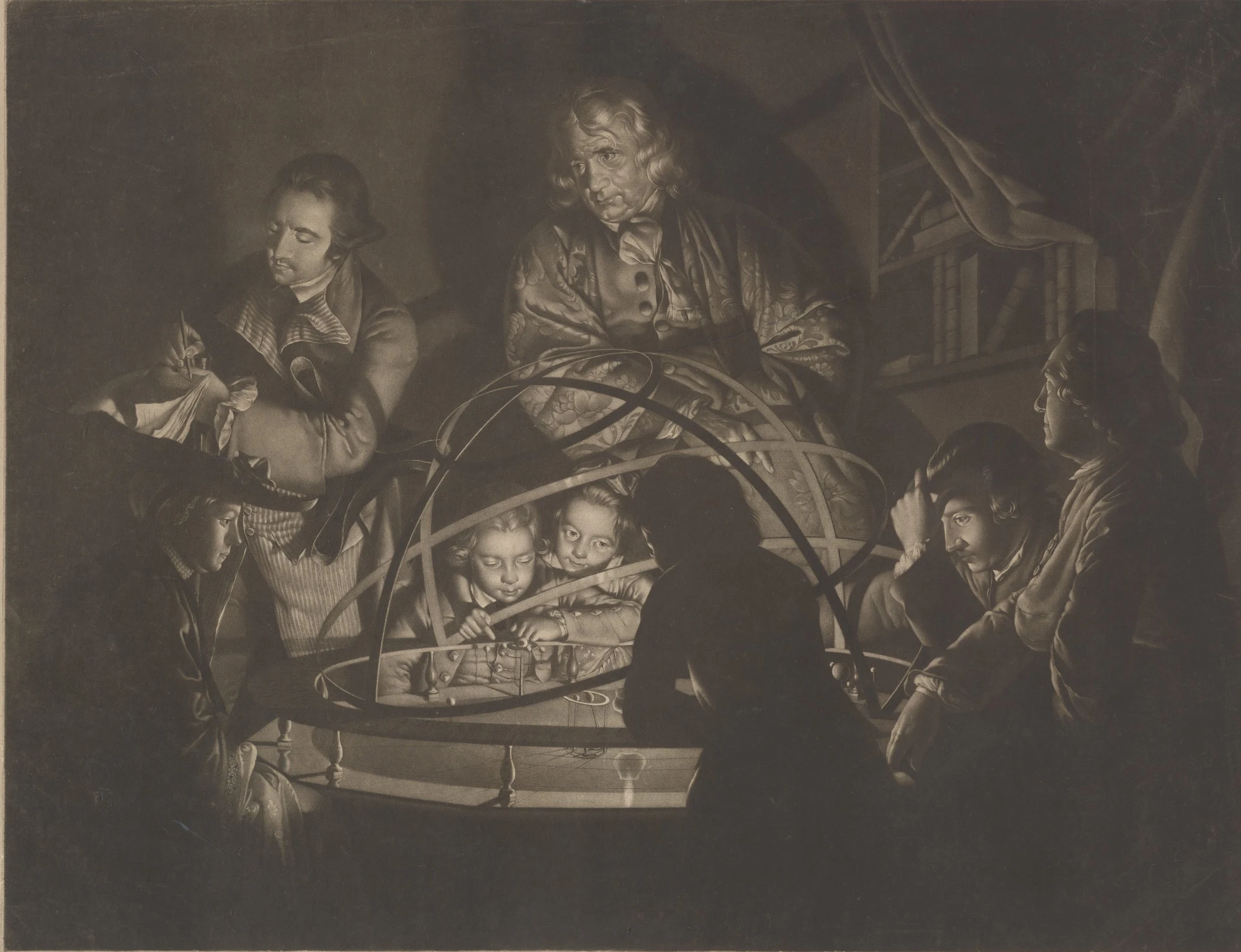
People gathered around an illuminated model of the solar system, in William Pether’s 1768 print after Joseph Wright of Derby

Human life exceeds
its descriptions.

cityontology begins with the relationships, practices, and possibilities through which a world becomes meaningful.

The philosophy behind our work
Human meaning. Shared understanding.Explore the ontology

To understand
is to distinguish.

What exists, what we know, and what could become ask different things of intelligence.

A place can change before its description does.

A situation has its own history. Its existence and significance exceed what has been recorded about it.

We keep the world and its accounts distinguishable, making sources, standpoints, and revisions part of shared understanding.

The consequence for our ontology
Select a distinction. Examine either side.
Examine the argument

Experience is situated: purpose, bodily capacity, and familiarity shape what becomes intelligible. An observation can support an account of a visit; it cannot establish a private feeling of belonging. The world, the experience, and its description make different claims on understanding.

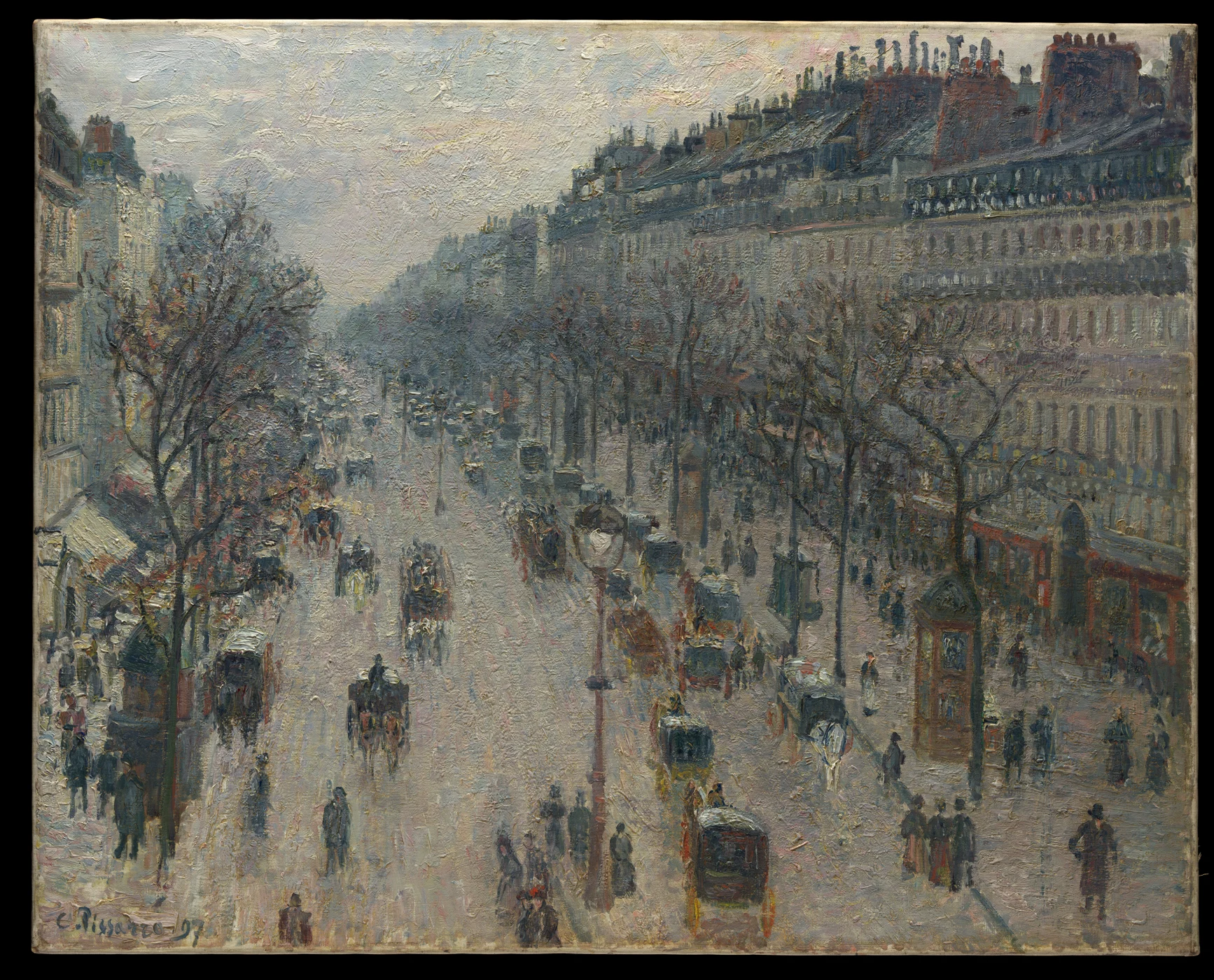
People, carriages, and buildings on Boulevard Montmartre, painted by Camille Pissarro

Lives intersect.
A world takes shape.

The city brings different modes of human existence into sustained encounter: material settings, institutional powers, lived memories, and unrealized possibilities. It is the demanding starting point of our work.

Why cities

A position.
Open to examination.

Our philosophy takes a position within traditions that continue to disagree.

Intelligibility is situated.

We encounter a world through embodied activity, inherited practices, and purposes. cityontology begins with this situated understanding, while keeping the world distinct from any account through which it becomes available to us.

Experience & perspective

Aristotle expands explanation through material, form, activity, and purpose. Heidegger and Merleau-Ponty turn attention toward practical involvement and embodied experience. Kant asks about the conditions through which experience becomes intelligible. These arguments place different demands on a framework; their significance exceeds a common vocabulary.

Shared reality has force.

Institutions, promises, and recognized offices organize action. We attend to the conditions sustaining them, while preserving a person’s capacity to question, refuse, or depart from the relationships shaping their life.

Relation & freedom

Confucian accounts and traditions of Ubuntu make relational formation central to personhood. Gyekye also defends individual capacities and claims against the community. Joint-commitment theories ask how undertakings make people answerable to one another. Our commitment to agency is a company position within these differences.

Representation carries responsibility.

Descriptions enter the world they describe. Categories can redirect attention and opportunity, and become objects of resistance. We examine their purposes, grounds, and consequences—including experiences that require us to revise our framework.

Classification & consequence

Hacking examines how people respond to the categories applied to them. Bowker and Star show how classification organizes visibility and exclusion. Haslanger asks whether our concepts should help challenge existing arrangements. Choosing a vocabulary is consequential work for which we remain answerable.

Human understanding.
A foundation to build on.

The ontology Our commitments